Beyond the Dish: The Ancient History of Indian Shrimp Curry
Indian cuisine is a vibrant tapestry woven with threads of history, geography, and cultural exchange. Among its myriad offerings,
shrimp curry stands out as a beloved dish, particularly in the coastal regions where the bounty of the sea meets the aromatic allure of Indian spices. While modern recipes often highlight its ease and speed, the story of this creamy, flavorful seafood delight stretches back centuries, revealing a culinary journey as rich and complex as its taste.
Tracing the Ancient Roots of a Coastal Delicacy
The history of
shrimp curry is intrinsically linked to India's extensive coastline, a gateway for trade and cultural interaction for millennia. Long before it graced contemporary dinner tables, seafood, including shrimp, was a staple for communities living along the Arabian Sea and the Bay of Bengal. Evidence of shrimp consumption in India is not merely anecdotal; it is etched in ancient texts and literary traditions.
References to shrimp and other seafood feature prominently in classical Tamil literature, particularly in texts that describe the daily lives and diets of people in the South Indian coastal regions. These ancient writings offer glimpses into a culinary landscape where the ocean's offerings were integrated into daily meals, often seasoned with locally available spices. A more definitive historical marker appears in the 13th-century Sanskrit text, *Manasollasa*, authored by King Someshvara III. This encyclopedic work, which details everything from governance to gastronomy, provides explicit mention of shrimp, underscoring its long-standing place in South Indian foodways and the royal kitchen alike. This demonstrates that
shrimp curry, or at least its foundational elements of shrimp and spice, was a recognized and valued component of Indian cuisine well over 800 years ago.
Over centuries, as trade routes flourished and communities interacted, the preparation of seafood evolved. The Portuguese influence, particularly in Goa, introduced new ingredients and culinary techniques that blended seamlessly with existing traditions, leading to the development of unique regional variations of
shrimp curry. Later, in the 19th century, the British presence also left its mark. In Bengal, for instance, recipes developed by British military figures, such as Lieutenant Colonel James Skinner, further popularized and documented shrimp curry, making it a prominent dish in the region's culinary lexicon. This rich history reminds us that every spoonful of shrimp curry carries the echoes of ancient maritime trade, colonial influences, and the enduring culinary ingenuity of the Indian subcontinent.
The Evolution of Flavor: Spices, Coconut, and Regional Identity
At its heart,
shrimp curry is a celebration of contrasting yet harmonious flavors and textures. The dish typically features succulent shrimp or prawns swimming in a spiced gravy or sauce, characterized by a blend of aromatic ingredients. Core spices often include turmeric for its vibrant color and earthy notes, ginger and garlic for their pungent warmth, and chili for a kick of heat.
However, it's the addition of coconut milk that truly defines many of India's most beloved shrimp curries, especially those from the southern states and Goa. Coconut, abundant in these coastal areas, lends an unparalleled creaminess and a subtle sweetness that balances the intensity of the spices. This crucial ingredient elevates the dish, transforming it into the rich, velvety experience many diners crave. The prevalence of coconut milk underscores the regional specificity of these preparations, highlighting how local ingredients dictate the unique character of a dish.
The versatility of
shrimp curry also lies in its adaptability to different regional palates. While a Goan shrimp curry might be known for its tangy, spicy profile with kokum, a Keralan version might lean towards a more robust coconut base with curry leaves and mustard seeds. Each region offers its own interpretation, a testament to India's incredible culinary diversity. Esteemed culinary figures like Madhur Jaffrey have played a pivotal role in bringing these regional nuances to a global audience. Her numerous iterations of Goan shrimp curry, often designed to be full-flavored yet surprisingly easy for novice cooks, exemplify how traditional recipes can be adapted for modern kitchens without sacrificing authenticity. The beauty of these dishes is that they can often be prepared in advance, with shrimp added just before serving, allowing flavors to meld beautifully.
The Modern Appeal: From Ancient Heritage to Weeknight Hero
In today's fast-paced world, the enduring appeal of
shrimp curry extends beyond its rich history. It has transitioned from an ancient coastal delicacy to a modern-day weeknight hero, beloved for its ability to deliver profound flavor with remarkable efficiency. Recipes like the popular
Easy 25-Minute Coconut Shrimp Curry: Your Weeknight Hero exemplify this contemporary relevance. They showcase how a handful of pantry staples—everyday spices, a splash of coconut milk, and plump shrimp—can create culinary magic in under 30 minutes.
What makes these quick preparations so appealing is their straightforwardness. There's no complicated ingredient scavenger hunt or multi-step processes. You simply combine a few key spices, introduce the creamy coconut milk, and finish with perfectly cooked shrimp. This ease of preparation, coupled with the incredible depth of flavor, means even novice cooks can feel like "curry masters" in no time. The one-pot nature of many modern shrimp curry recipes also simplifies cleanup, adding to its allure for busy individuals and families.
Mastering Your Own Shrimp Curry: Expert Tips for Flavor and Perfection
Whether you're following a historic recipe or a 25-minute wonder, mastering
shrimp curry involves understanding a few fundamental principles that guarantee a delicious outcome every time. For those looking to elevate their home cooking, especially
Mastering Full-Flavored Shrimp Curry: Tips for Novice Cooks, here are some invaluable tips:
- Choose the Right Shrimp: Always opt for raw, peeled, deveined shrimp. Extra-large or jumbo sizes are ideal as they remain juicy and plump, resisting the tendency to shrivel. If using frozen shrimp, thaw them completely and pat them thoroughly dry with paper towels. Excess moisture will steam the curry rather than sear, diluting the flavor and preventing a rich sauce.
- Full-Fat Coconut Milk is Non-Negotiable: This is where the sauce gets its luxurious creaminess and rich body. Light coconut milk will result in a watery, less flavorful curry. Don't skimp here; the full-fat version is essential for that authentic, indulgent texture.
- Layer Your Spices: While curry powder is a convenient blend, layering individual spices adds depth. Even when using a blend, augmenting it with extra turmeric and coriander can significantly enhance the flavor profile and give your curry that gorgeous, sunset-golden color. Turmeric also contributes its unique earthy warmth and health benefits.
- Pan Perfection: A heavy-bottomed skillet or a wide saucepan is your best friend. This ensures even heat distribution, allowing the sauce to simmer and reduce slightly without scorching. A wider surface also gives the shrimp ample space to cook without overcrowding, preventing them from steaming.
- Timing is Everything for Shrimp: This is arguably the most crucial tip. Shrimp cook incredibly fast—just a couple of minutes per side. Always add them at the very end of the cooking process, allowing them to gently simmer in the sauce until just opaque. Overcooking shrimp is the number one mistake, leading to a rubbery texture that detracts from the dish. Keep a close eye on them!
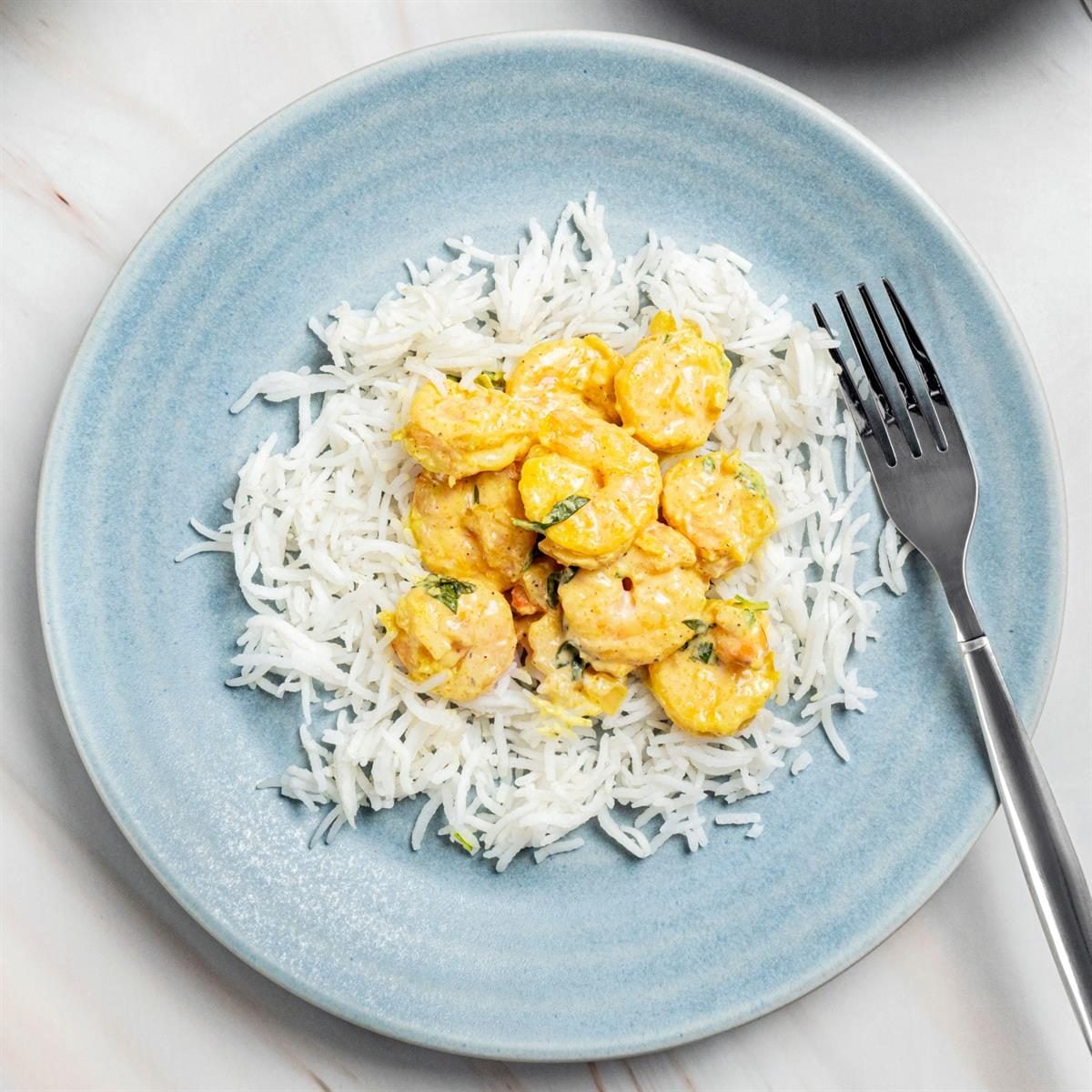
- Thoughtful Serving: The rich, flavorful sauce of shrimp curry begs to be soaked up. Pair it with steamed basmati or jasmine rice for the perfect accompaniment. Warm naan bread is also an excellent choice, ideal for swiping up every last drop of that creamy, golden goodness.
From the ancient kitchens of King Someshvara III to the bustling dinner tables of today,
shrimp curry has traversed centuries, adapting and evolving while retaining its core appeal. It's a dish that embodies the rich tapestry of Indian culinary history—a testament to coastal traditions, spice trade routes, and the timeless art of transforming simple ingredients into an extraordinary meal. Whether you're delving into its historical origins or whipping up a speedy weeknight version, this beloved curry offers a journey for the senses, proving that some flavors truly are beyond the dish, woven into the very fabric of time.